
Your Safety is Our Mission
Federal Fire Station 16 is committed to protecting the 32nd Street Naval Base community through education and preparedness.
We provide essential safety resources to help military personnel, base employees, and community members prevent emergencies and respond effectively. Explore our guides on fire prevention, emergency planning, and specialized safety protocols for naval base environments.
Essential Fire Safety Tips
Protecting your home and workplace starts with prevention. Follow these actionable tips from Federal Fire Department San Diego Station 16 to reduce fire risks and ensure you're prepared for an emergency.
Prevention & Preparedness
- Install & Test Smoke Alarms: Place alarms on every level, inside and outside sleeping areas. Test monthly and replace batteries annually.
- Create & Practice an Escape Plan: Plan two ways out of every room. Designate a meeting spot outside and practice the plan twice a year.
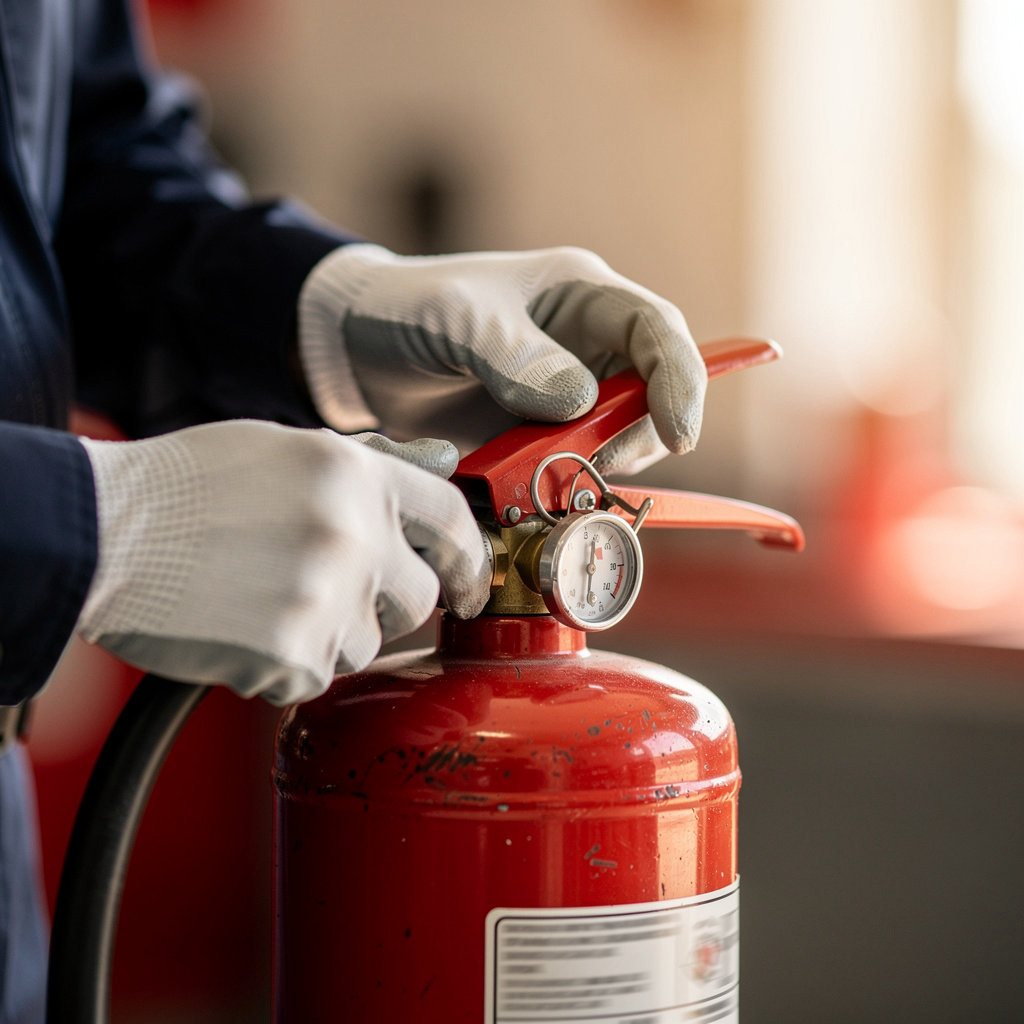
- Keep Fire Extinguishers Accessible: Have an ABC-type extinguisher in the kitchen, garage, and workshop. Know the PASS technique (Pull, Aim, Squeeze, Sweep).
Eliminate Common Hazards
- Maintain Electrical Safety: Avoid overloading outlets. Replace frayed cords. Keep space heaters at least 3 feet from anything flammable.
- Practice Kitchen Safety: Never leave cooking unattended. Keep towels, curtains, and packaging away from the stovetop.
- Store Flammables Properly: Keep gasoline, paint thinners, and propane tanks outside, away from heat sources, in approved containers.
Emergency Contact Reminder
For any fire or medical emergency, call 911 immediately. For non-emergency safety inquiries related to the 32nd Street Naval Base area, you can reach our station community liaison.
Station 16 is located at Kalbfus Street & Robertson Road, Naval Base San Diego, providing 24/7 emergency response.
Wildfire Preparedness
Our specialized Brush 16 unit is ready for vegetation fires. Create defensible space around your property by clearing dry brush and maintaining a 30-foot safety zone.
Be Prepared, Not Scared
Emergencies can happen anytime. Having a plan and the right supplies can make all the difference for your family's safety. Follow these essential steps to get prepared.
Build Your Emergency Kit
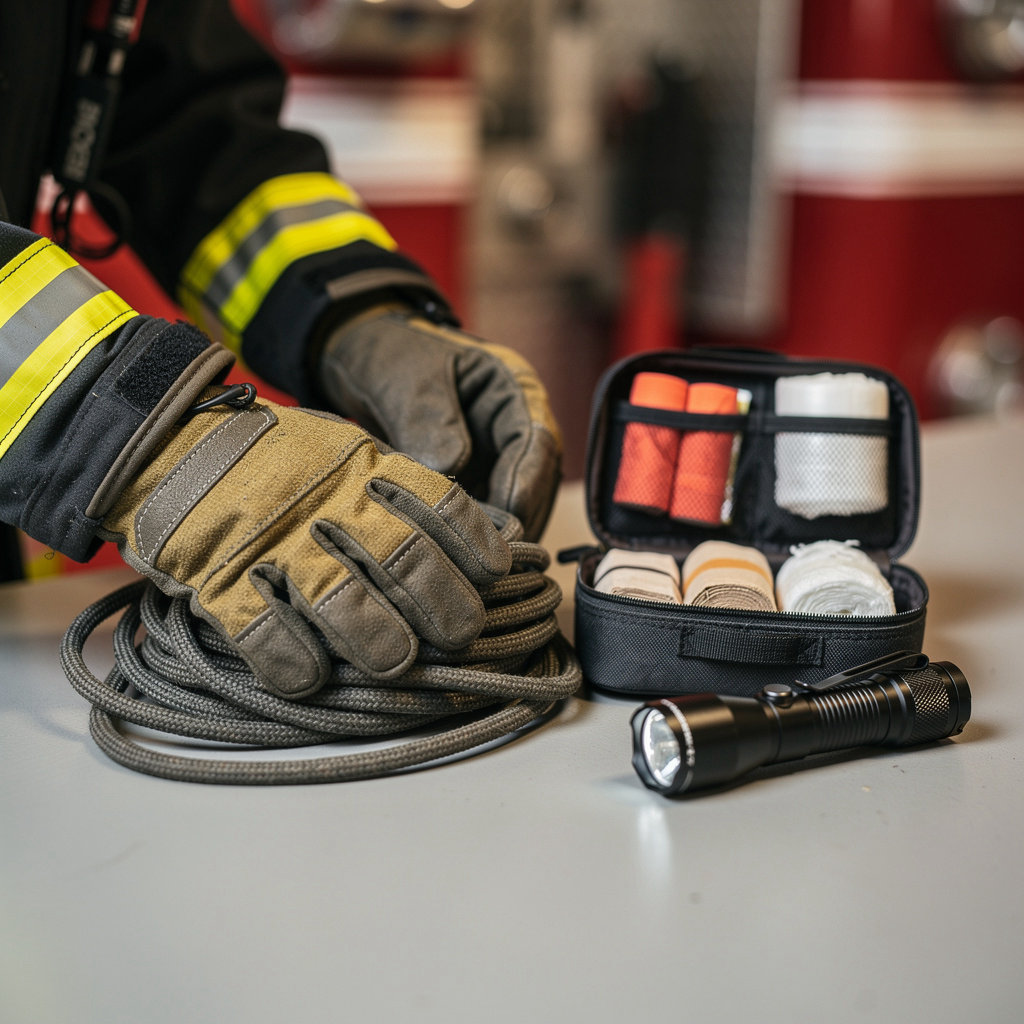
Every household should have a basic emergency kit. Store items in a portable container and check it every six months.
- Water & Food: One gallon of water per person per day for 3 days, plus a 3-day supply of non-perishable food.
- First Aid & Medications: Comprehensive first aid kit, prescription medications, and medical supplies.
- Light & Communication: Flashlights, batteries, battery-powered or hand-crank radio, and portable phone chargers.
- Important Documents: Copies of insurance policies, identification, and bank records in a waterproof container.
Create a Family Emergency Plan
1. Communication Plan
Identify an out-of-town contact. Teach family members how to text, as texts may get through when calls fail.
2. Meeting Places
Choose a safe meeting spot right outside your home and another outside your neighborhood.
3. Evacuation Routes
Plan two ways out of your home and neighborhood. Practice these routes with your family.
4. Special Needs
Account for children, elderly family members, pets, and anyone with access or functional needs.
Know Your Specific Risks
Our region faces specific hazards. Tailor your plan accordingly.
Need specific guidance for your household or workplace? For non-emergency safety inquiries, you can reach out directly.
For all emergencies, always call 911 first.